
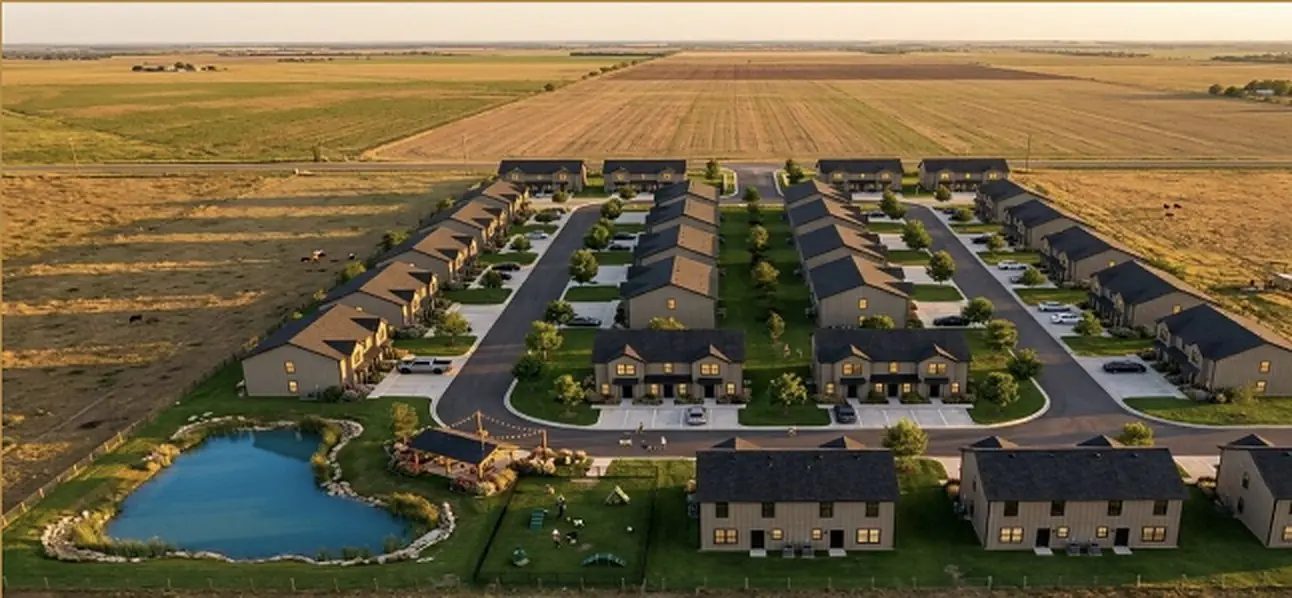
Modular and townhome communities.
Modular construction can shorten a schedule and narrow cost risk, or it can add both. The answer depends on the site, the market and the manufacturer, and it should be decided with real numbers. Grex compares each delivery path side by side in diligence, using budgetary manufacturer pricing and a site-built cost basis, and confirms the choice before bid documents are issued, so the method is an outcome of the analysis rather than an assumption going in.
What makes modular and townhomes different to develop
Modular, HUD-code and site-built each carry different costs, schedules and approval paths. Grex prices them against the same program before the method is chosen.
Modular homes are produced in a plant to the same state and local building codes as site-built homes, inspected under state programs, and set on permanent foundations. The site still answers to every local approval.
Foundations, crane set, marriage lines and finish work sit between the plant and the general contractor. That interface is where budgets slip if nobody owns it.
When the demand is an employer or a new facility, time to occupancy is a decision input. Speed is weighed against cost explicitly.
The approval path
Townhome and modular communities generally follow the standard residential path:
- Zoning and density approvals: rezoning, planned development or variance where needed
- Platting or subdivision approval
- Site plan approval with utilities, stormwater and access
- State modular program approvals for the home design, where applicable
- Building permits for foundations and site-installed scope
Where these projects stall
And how Grex handles itChoosing modular, or ruling it out, on assumption is the expensive mistake. Grex compares each path with budgetary manufacturer pricing and a site-built cost basis before the decision, and confirms it as plans develop.
Layouts that ignore module dimensions and transport limits get redesigned. A design basis package sets those requirements before design begins.
Foundations, set and finish between the plant and the site contractor need one owner. Grex holds it.
Workforce projects that open after the demand peaks lose their premise. The schedule is set from the occupancy date backward.
From the first look at the parcel to occupied homes. Owners work with one team; Grex works with everyone else.
- Delivery-method analysis: each path priced side by side
- Budgetary per-unit pricing from manufacturers, labeled as such until plans can be bid
- Design basis package: the parameters design and engineering are set to
- Path to approval: zoning, platting, site plan, state modular approvals
- Manufacturer and general contractor procurement, leveled bids
- Construction through set, finish and occupancy, with verified progress and draws through title
Questions owners ask
Is modular construction cheaper than site-built?
Sometimes. It depends on the site, the market, transport distance and the manufacturer. Grex answers it for a specific project by comparing modular and site-built side by side, from budgetary manufacturer pricing and a site-built cost basis, before the method is chosen, then confirms it when plans can be bid.
What is the difference between modular and manufactured homes?
Manufactured homes are produced to the federal HUD code. Modular homes are produced in a plant to the same state and local building codes as site-built homes and are set on permanent foundations. The two follow different approval paths.
Can Grex develop employee or workforce housing for a business?
Yes. Grex serves as the outside development team for employers and operating businesses that need housing near their operations, from feasibility through occupancy.
Where is your project today?
Engagements begin at any phase, raw land to mid-construction. Tell us where the project stands, and we will put together the plan to get it to operating.
Or write to contact@grexdev.com. Every inquiry is read by the team and answered directly.